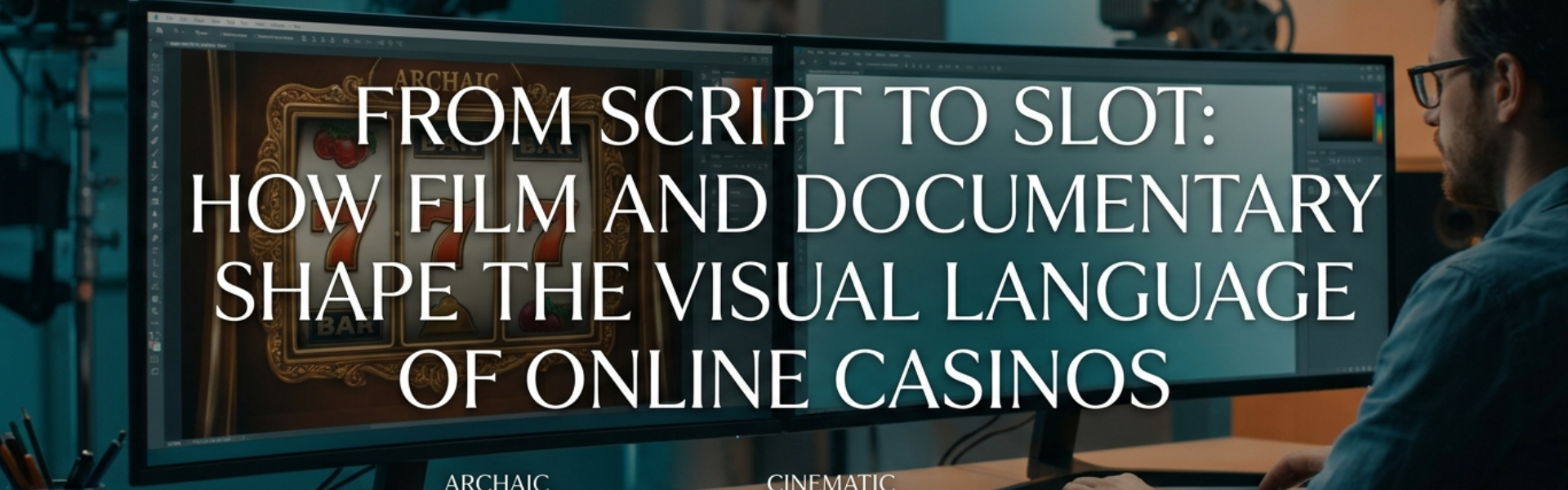
From Script to Slot: How Film and Documentary Shape the Visual Language of Online Casinos
Film critics have spent a century analyzing how directors guide the eye – through framing, color, pacing, and the quiet tension of well-placed sound. What has gone less remarked is the rapid assimilation of the same techniques by the designers of online casino games.
In the last five years, job descriptions from major game studios have started to list film editing, cinematography and documentary production as desirable skills. The outcome is a hybrid style where digital gaming screens adopt the language of film and documentary almost verbatim, often without acknowledgement.
The Cinematic Roots of Modern Slot Design
Slot design used to be dictated by the arcade: bright, blinking, ornate, designed to attract attention on the casino floor. In the last ten years the style has evolved to resemble a film. Reels behave like scenes, transitions resemble dissolves, and the user interface now favors the restrained typography of streaming services over the neon of Las Vegas.
Across the United Kingdom, this convergence is especially visible on platforms where the UpSpinz casino interface borrows directly from cinema – the registration screen, the official website, and the login to Up Spinz page are all framed like title sequences, while sign in flows and Up Spinz online casino menus echo the clean typography of modern film streaming services in the UK.
According to listings on IMDb, British filmmakers have long favored understated visual compositions, and that sensibility now shows up in how UK-facing platforms treat their landing pages and opening sequences.
Documentary Aesthetics and Realism in Digital Gaming
Documentary film is atmospheric rather than spectacular. It uses natural tones, ambient noise and slow pacing to win the trust of an audience that expects to be convinced, not wowed.
Designers working on the newer generation of casino products have borrowed exactly these qualities to counter the lingering stigma of overly commercial gaming interfaces. The aim is believability rather than flash – closer to a Werner Herzog voiceover than a Las Vegas billboard.
Color Grading Borrowed from Film Sets
Color grading – the technique that defines a film’s look – is now commonplace in slot games. Teal and orange, desaturated greens, sepia tones, and blue highlights are all common in bonus round backgrounds, each evoking a particular filmic reference that an eagle-eyed viewer can often attribute to a specific cinematographer. The Coen brothers’ sepia tones, David Fincher’s blue tones, and Emmanuel Lubezki’s sun-bleached tones are all on display in one game or another.
Sound Design as Narrative Anchor
Sound is where the crossover runs deepest. Ambient textures, low-frequency drones, and restrained musical cues – all signatures of contemporary documentary film – now shape how players experience waiting, winning, and near-misses on modern platforms. The effect is less arcade, more screening room.
Storytelling Frameworks from Screen to Reel
Narrative structure has also made the jump. Bonus rounds are paced like short films, with setup, complication, and payoff. Designers increasingly talk about arcs rather than sessions, and about characters rather than symbols.
Among the techniques borrowed directly from film and documentary work:
- Three-act pacing applied to progressive jackpot features
- Voice-over narration framing tournament rounds like sports documentaries
- Match-cut transitions between spins and bonus triggers
- Talking-head interludes during loyalty-program animations
- Title-card typography for wins, losses, and session milestones
Critics writing for The Guardian’s film section have noted how the grammar of prestige television and documentary has migrated into unexpected corners of digital media – and online gaming sits squarely among those corners.
Player Research and the Review Culture Behind Modern Platforms
Today’s players are like documentary viewers. They research, verify and approach platform claims with healthy cynicism before investing time or money. We’ve all seen it in action when watching a true-crime documentary with a smartphone in hand, checking to see if an element of the story matches the official record.
A telling example from the United Kingdom involves platforms such as TheStakeHouse casino, where viewers-turned-players often check whether a site is legit and safe before they register or sign up – and for aggregated feedback on TheStakeHouse online casino, many UK users read this collection of TheStakeHouse reviews that covers onboarding, the login process, and the post-sign up experience.
That research instinct mirrors how documentary viewers vet sources – checking author credentials, production companies, and previous reporting before they accept a claim on screen. The same patience now applies when players open a new tab.
Regional Cinema Influences on Casino Visual Identity
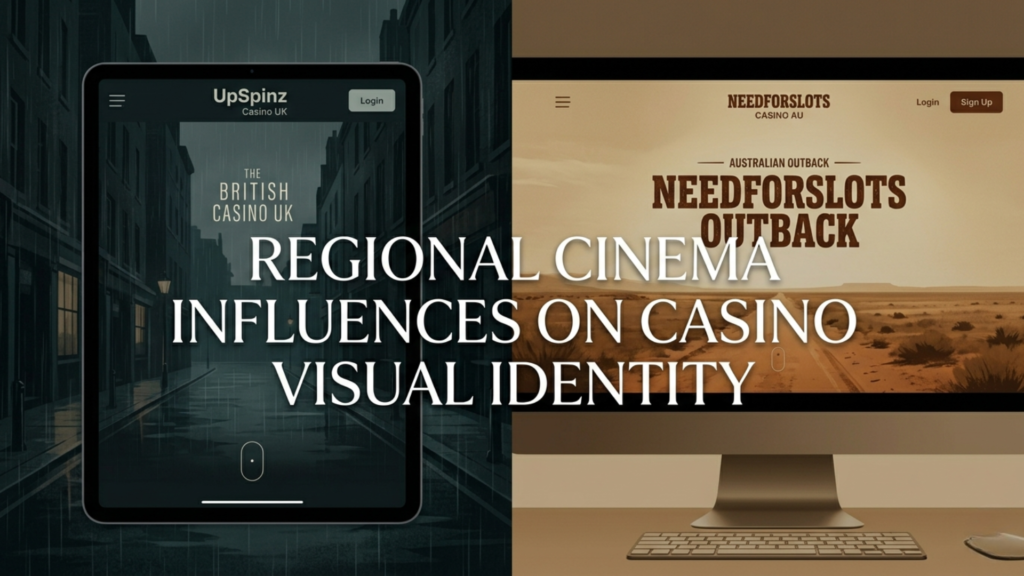
Regional cinema leaves a visual fingerprint, and online platforms trading in specific markets have started mirroring local film traditions rather than defaulting to a generic global style.
British Noir and the Minimalist UK Interface
British film, from the postwar noir era to the social realism of Ken Loach, tends toward muted palettes and architectural composition. UK-facing casino interfaces have followed suit – narrower type, restrained accent colors, and geometric layouts that read more like a film poster than an arcade flyer. The look nods toward Carol Reed’s London as much as any modern brand guideline.
Australian Outback Cinema and the Frontier Look
A parallel case plays out across Australia, where the Needforslots casino interface leans into the wide-open visual palette of Aussie outback cinema – the official website, the registration page, and the sign in screen of Needforslots Australia all carry that sunburnt, horizon-wide framing, while the login flow of Need for slots online casino follows the same AU-market conventions seen across regional platforms.
The debt to films like Mad Max, Picnic at Hanging Rock, and Wake in Fright becomes hard to miss once the pattern is visible.
The Future of Film-Influenced Interactive Design
The crossover is still accelerating. Streaming platforms have trained audiences to expect cinematic quality from every screen they open, and casino design teams are responding in kind rather than resisting.
Three shifts already visible in 2026:
- Episodic slot content – bonus rounds released weekly, like prestige drama seasons
- Cinematic universes – shared characters and settings across multiple game titles
- Documentary-style tutorials – onboarding flows styled as short-form films rather than help pages
Whether players notice or not, the screens they log into now owe more to film school than to the old arcade floor. Designers are making the borrowing explicit rather than hiding it, and players who grew up on streaming are rewarding the shift with their attention. The script has changed – and the slot has been rewritten along with it.